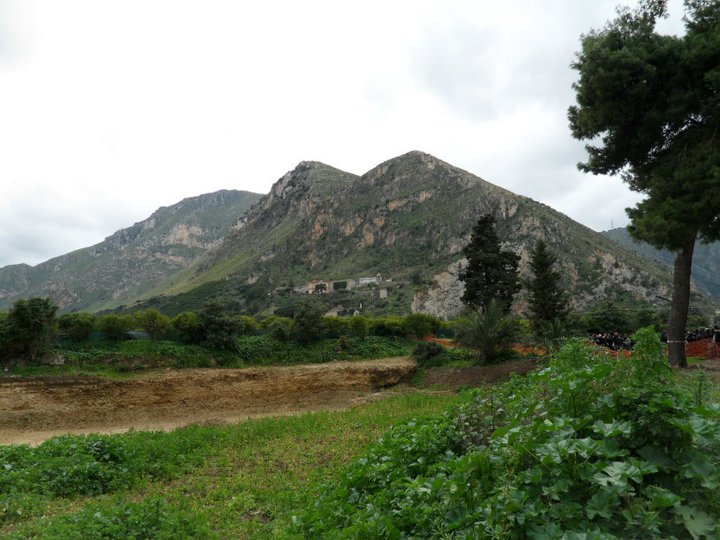
Castello Caetani
Via Eresio Pertore

Castello Caetani
Located in Trevi nel Lazio, Italy, Castello Caetani is a medieval defensive castle that has stood the test of time.
History
- The construction period of Castello Caetani is believed to date from the 12th century, during the medieval era. The purpose of the castle was to serve as a stronghold for the Caetani family, who were prominent nobles in the region.
Architecture and Layout
The castle's architectural style is characteristic of medieval defensive structures, with thick stone walls and a moat surrounding the perimeter. The layout consists of a central keep, surrounded by lower-lying buildings and outbuildings.
Historical Significance and Events
- Castello Caetani has played a significant role in Italian history, particularly during the Middle Ages. The castle was an important center for trade and commerce, and its strategic location made it a key stronghold for the Caetani family's power base.
Current Status and Use
Today, Castello Caetani is no longer used as a residential or military fortress. However, it has been restored and preserved as a cultural heritage site, open to visitors.
Heritage Status
- The castle was designated a national monument in 1991, recognizing its historical significance and architectural importance.
Visiting Information
Castello Caetani can be visited by appointment only. Visitors are advised to contact the local tourist information office for more information on guided tours and opening hours.
Notable Features and Rooms
- The castle's most notable feature is its imposing central keep, which houses a museum showcasing medieval artifacts and exhibits. Other notable rooms include the great hall, the chapel, and the private apartments of the Caetani family.
Details
| Name | Castello Caetani |
|---|---|
| City | Trevi nel Lazio |
| Country | Italy |
| Coordinates | 41.862347, 13.247101 |
| Current use | cultural heritage site |
Nearby Castles
Other castles close to Castello Caetani